







Municipal Environmental Governance (MEG) Project – Phase II
Residents of Prnjavor resolve a long-standing wastewater problem - From septic pits to smart technology
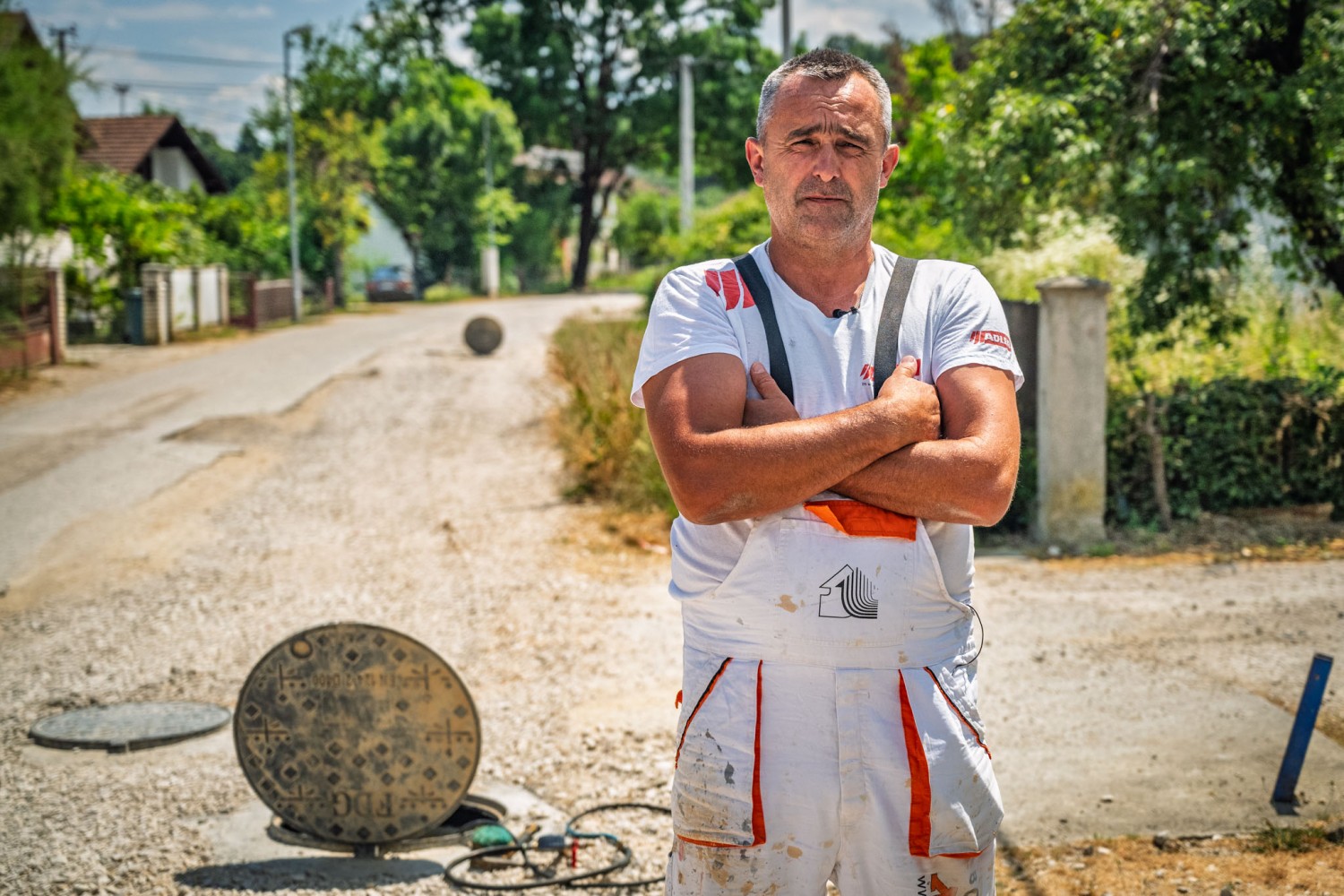
“Everyone solved it in their own way – a little bit with septic pits, a little bit with makeshift channels through the neighborhood. In one word, it was catastrophic,” says resident Damir Vukomanović.
Across his property and the land of neighbouring households, as well as through nearby streets and yards, residents dug their own channels to carry wastewater. When the septic pits began to overflow, new channels were dug.
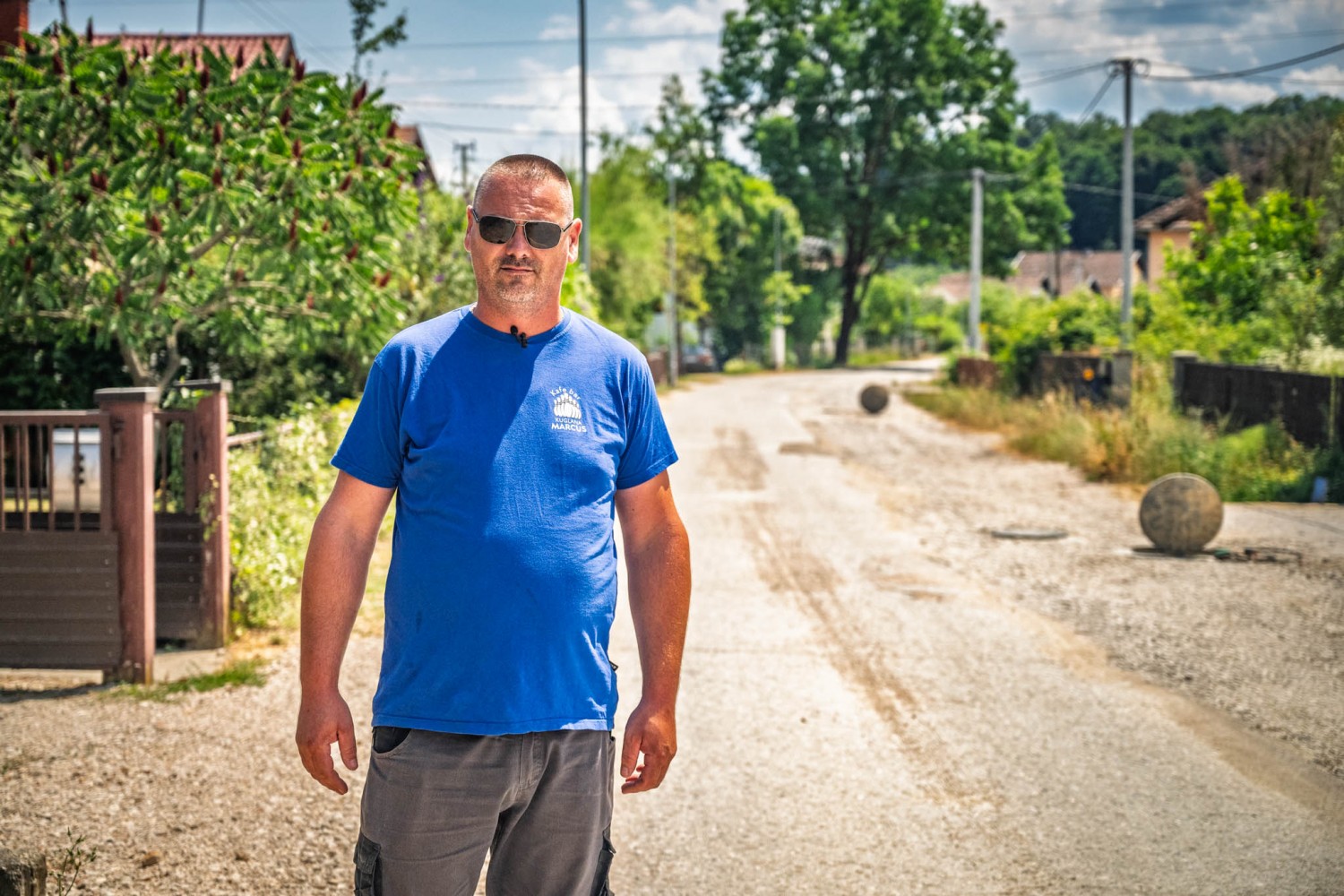
“We would cut channels through each other’s yards to drain everything toward the river. The smell was unbearable, and there were so many mosquitoes, especially during hot days,” recalls Goran Živković.
Through the Municipal Environmental Governance Project (MEG 2), eight local governments in Bosnia and Herzegovina received non-repayable financial support to implement their priority environmental infrastructure projects, totaling USD 1,030,000. The project is jointly funded by the Government of Switzerland, the Government of Sweden, the Government of the Czech Republic, as well as the European Union, and implemented by the United Nations Development Programme (UNDP) in Bosnia and Herzegovina.
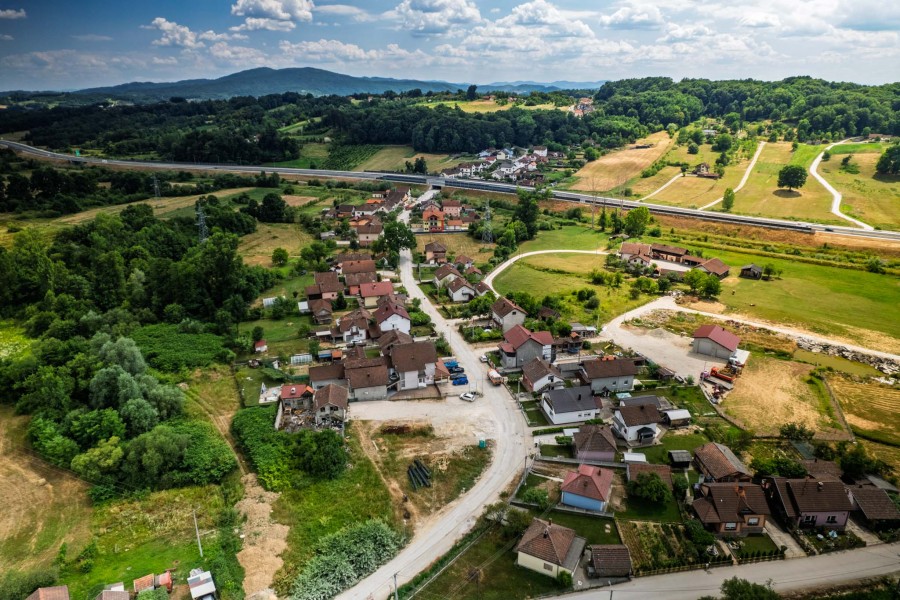
One of these local governments is the City of Prnjavor. Thanks to the construction of a new wastewater sewage system through MEG 2, Živojina Preradovića Street looks completely different today.
The new system has significantly improved wastewater drainage and eliminated improvised, unsafe solutions. The importance of this investment is confirmed by Milan Vranić, President of the Local Community Council Prnjavor.
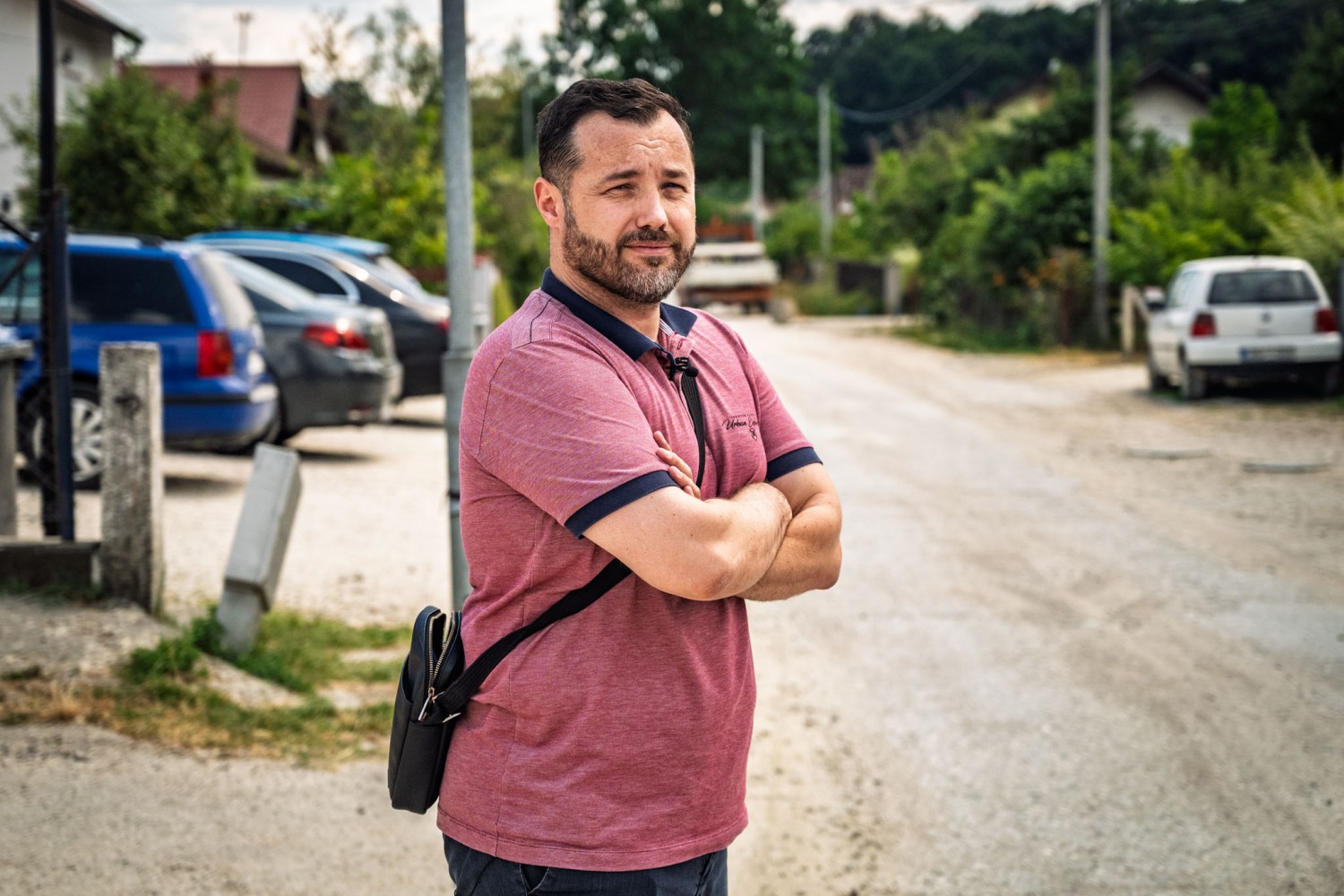
“We witnessed wastewater, even sewage, appearing on the surface here. It is extremely concerning, and we know how much it can affect people’s health. With the construction of the sewage network in Živojina Preradovića, the quality of life for residents will be greatly improved,” said Vranić.
In addition to solving the wastewater problem, the investment opens the door for further infrastructure improvements. Residents say they now hope for a new street and upgrades to the water supply network.
“I think it will be a completely different picture. And for us residents, this means everything,” says Vukomanović.
The total value of the sewage construction project is 386,864.40 KM, of which USD 130,000 was provided through MEG 2I, while the remaining amount was financed by the City of Prnjavor.
Within the MEG 2 project, Prnjavor has also introduced digital innovations. Smart metering and Internet of Things (IoT) technology were implemented to monitor water consumption more accurately, reduce losses, and improve overall efficiency.
“We installed a gateway at the Cer reservoir, and through the project we received around 240 remote-reading water meters using the LoRaWAN system,” explains Ljubiša Sibinčić, Director of Vodovod AD Prnjavor.
The value of this activity amounted to 84,762 KM.
“Smart metering will allow each user to monitor their daily consumption through our system. It is a step beyond our existing services and means more automation and faster processes for the utility company,” added Sibinčić.
A zonal meter was also installed at the entrance to the measuring zone, enabling precise monitoring of water losses.
During the first cycle of the MEG project, Prnjavor implemented a major water supply project for the settlement of Maćino Brdo and the local community of Babanovci. More than 11 kilometers of primary and secondary water supply network were constructed, with a total value of 725,630 KM, of which 236,990 KM was funded through MEG 2.
UNDP and its partners through MEG II continue to support local governments across Bosnia and Herzegovina in improving water services, modernizing infrastructure, and strengthening the health and safety of all residents.